BlogHow AI is Transforming the Accounting Process
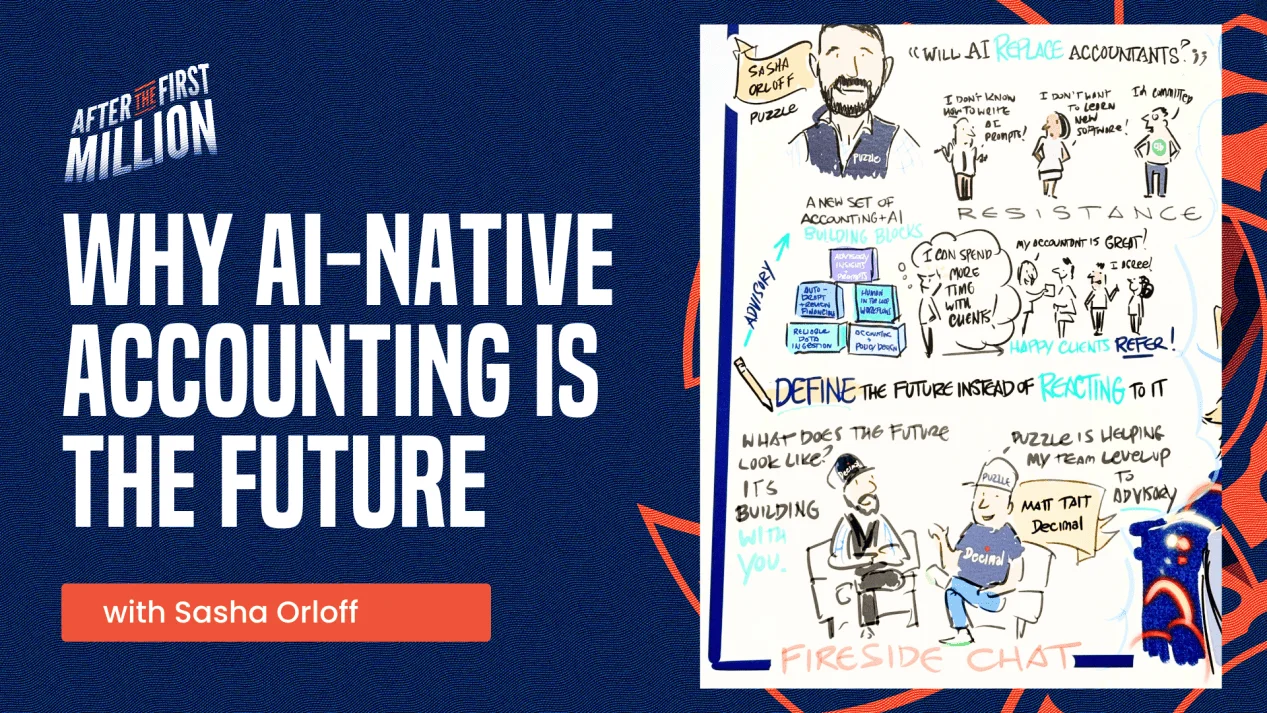
Automation Isn’t About Replacing AccountantsIt’s about better service, faster work, and real focus.When I talked with Benjamin Stein, CEO of Keeper, on After the First Million, it was clear he wasn’t here to hype AI. He was here to talk about what actually helps accounting firms scale.Ben’s take? Automation should reduce chaos, not create it. It should support people—not replace them. The firms that are winning are the ones focused on solving real problems, delivering faster results, and staying locked in on the client experience.Reducing Context Switching at ScaleBen’s story starts with a familiar pain point. At his last company, he ran the close using “QuickBooks… and another tab of QuickBooks… and another tab of QuickBooks.” Sound familiar?That experience shaped how he thought about building Keeper. The goal wasn’t to just throw tech at the problem—it was to design something cohesive. A system that keeps teams in flow and reduces the bouncing between tools that slows everything down.And that focus shows up in how they build. Keeper isn’t trying to do everything. It’s designed to help firms stay organized, move faster, and solve the core issues that actually slow down the close.Don’t Just Add Features—Solve Real ProblemsOne of the things I appreciated about Ben is how focused he is on not over-building. He said it clearly: too many tools try to automate 100% of tasks and end up doing them 90% right. But that leftover 10%? It creates more work than it saves.Keeper takes a different approach. They aim for certainty. If a process can be done 100% correctly, automate it. If it can’t, don’t risk it. Because chasing errors, fixing mistakes, and second-guessing automation kills the whole point.For firm owners, it’s a solid reminder: don’t get distracted by shiny features. Solve the problem you actually have, then figure out what tech makes sense.Delegate. Focus. Repeat.As a founder, Ben’s learned to ask the hard questions about delegation. When did you hit that point where you had to let go of parts of your work to keep growing? What systems did you put in place to make sure nothing dropped?He keeps it simple. Keeper has a conventional org chart. They’re not trying to reinvent everything internally. What they care about is having systems in place so nothing slips.One thing I loved? He talked about literally adding “respond to customers” to his daily to-do list. It sounds small, but it says a lot. Sometimes leadership is just about being consistently present where it matters.AI Should Take Work Off Your Plate—Not Add To ItThere’s a lot of noise around AI in accounting—especially the narrative that it’s going to replace people. Ben doesn’t buy into that. Neither do I.He’s excited about what AI can do—bank feeds, accruals automation, auto-recs, journal entries. But the point isn’t perfection. The point is making the close easier, faster, and more accurate.Because when automation goes wrong, the cost is real. Chasing down why the system made an error takes more time than just doing it right the first time.If the tool saves you time, great. But if it doesn’t—move on.Aesthetics Matter. So Does the Client Experience.One thing Ben said that stuck with me: a lot of Keeper’s early customers came in because it just felt better. The design, the layout, the experience—it matched how they thought a modern firm should operate.And that’s a bigger lesson than it seems. The tools you use are part of your brand. When clients interact with your systems, it reflects how you operate.Ben starts with the question, “What do we want to be great at?” and only then asks, “What tech helps us get there?” That’s the mindset more firms need.The Bottom Line“As long as you’re shy of 100%, you still need an accountant.” That line from Ben hit hard. Technology is powerful—but it’s not a replacement for judgment, communication, or client trust.If you want to build a firm that scales, AI might be part of the answer. But the bigger story is still about people, systems, and clarity.If you’re looking for expert guidance to simplify your tax filing process, schedule a time with a Decimal expert at https://www.decimal.com/contact-us.